Moving Out of a BC Rental: The Move-Out Inspection and Getting Your Deposit Back
If you are renting in BC and moving at the end of November, your last day is probably Monday, November 30. On that day you have three jobs: get everything out, leave the place clean, and walk through it with your landlord. How you handle the last part decides whether your security deposit comes back quickly, comes back with deductions, or turns into a dispute.
This guide covers how the inspection works under BC's Residential Tenancy Act, what the deposit rules say, and how to plan moving day so the inspection is not squeezed.
This is general information based on the Residential Tenancy Act and Regulation (current to October 27, 2026) and Residential Tenancy Branch (RTB) guidance. It is not legal advice. The Act does not cover every living arrangement. For example, it does not apply if you share a kitchen or bathroom with the owner, or to housing a school provides to its own students. If you are unsure, check with the RTB.
The inspection is a legal step, not a courtesy
Section 35 of the Act says the landlord and tenant must inspect the unit together at the end of the tenancy, before a new tenant moves in. It happens on or after the day you stop living there, or on another day you both agree on. The landlord fills in a condition inspection report, both of you sign it, and the landlord must give you a copy.
Landlords may use the RTB's template (Form RTB-27) or their own form, but the Regulation sets what it must cover, room by room. A move-out report must also itemize any damage the landlord says you are responsible for, and show any deduction you agree to, with your signature and the date.
The two-opportunity rule
The landlord must offer you at least two chances to do the inspection. Under the Regulation:
- The landlord proposes a first date and time. If it does not work, you can suggest another time, and the landlord must consider it.
- If you still cannot agree, the landlord gives you a second opportunity in writing, on the RTB's approved notice form.
- Inspections must be scheduled between 8 a.m. and 9 p.m. unless you both agree to something else.
Here is why it matters. If the landlord offers both opportunities and you take part in neither, your right to get the security deposit and any pet damage deposit back is extinguished (section 36). The rule cuts both ways: if the landlord skips the two offers, does not show up, or does not complete the report and give you a copy, the landlord loses the right to claim against the deposit for damage.
If you cannot be there, you can appoint an agent, such as a friend or family member, to attend and sign for you. You must tell the landlord in advance. The landlord cannot act as your agent.
The unit has to be empty first
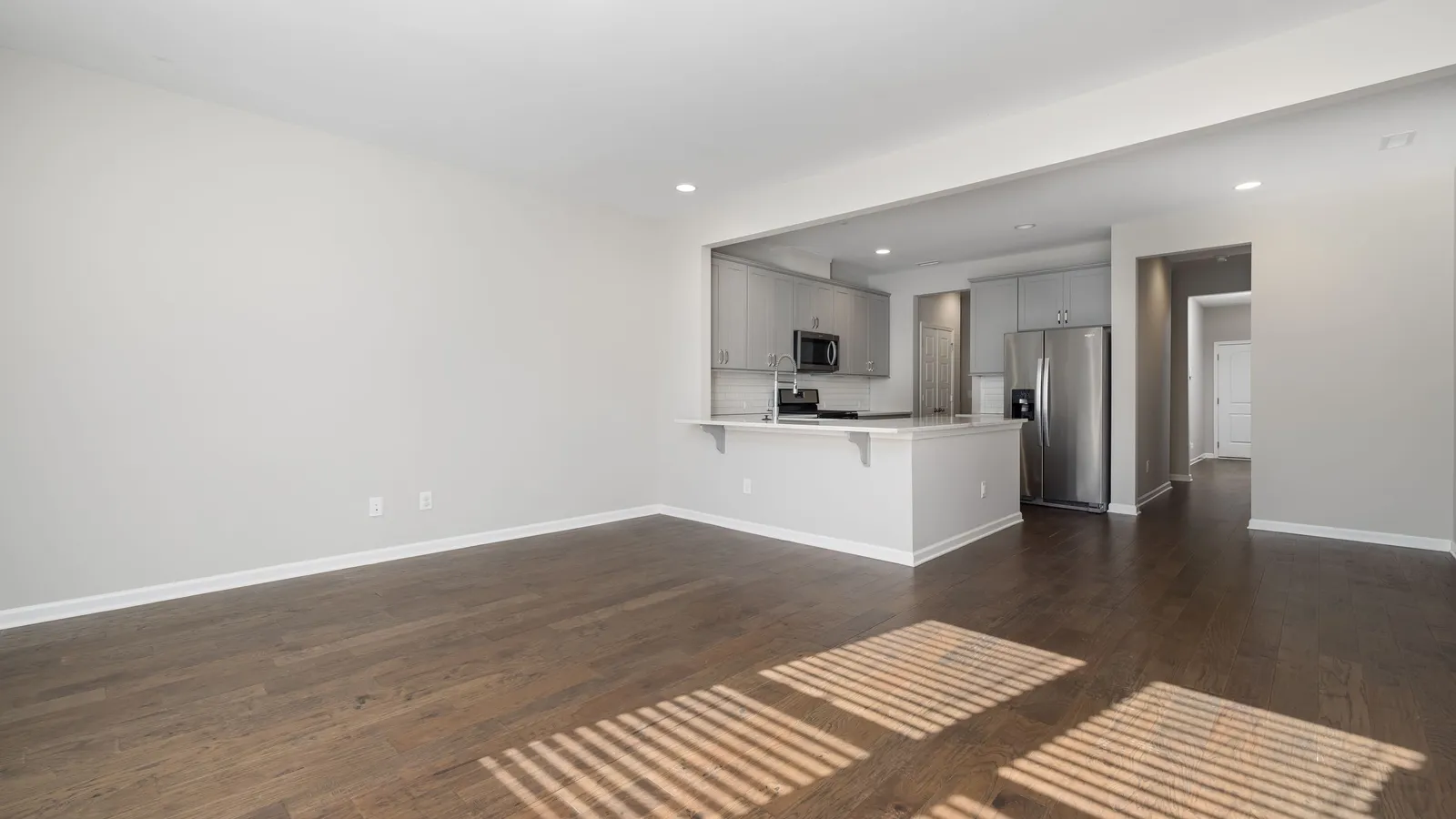
The Regulation says the inspection happens when the unit is empty of your belongings, unless you both agree otherwise. Section 37 adds that, unless you agree on something different, you must be out by 1 p.m. on the day the tenancy ends, leave the unit reasonably clean and undamaged apart from reasonable wear and tear, and hand back every key and access device you have.
Put those together and the timing on the last day gets tight. The truck has to be loaded, the unit cleaned, and the walk-through done, ideally all before 1 p.m. A few ways to take the pressure off:
- Move the day before if you can. If your new place is available, a move on the 29th leaves the 30th for cleaning and the inspection.
- Book the inspection for after the unit is empty and cleaned, not first thing in the morning while boxes are still going out.
- Check the building's rules early. Many stratas require an elevator booking for moves and limit the hours. A late slot can push you past 1 p.m. Our guide to strata move-in and move-out fees in BC explains where to find them, and parking a moving truck in Vancouver covers street permits.
- If you need more time, agree on it in writing. The 1 p.m. rule applies unless you and the landlord agree otherwise.
What "reasonably clean" means
The RTB's Policy Guideline 1 sets out who cleans what. The test is reasonable health, cleanliness and sanitary standards, not the landlord's personal standard. At the end of a tenancy the tenant is generally expected to:
- Clean the stove top, elements and oven, defrost and clean the fridge, and wipe out the dishwasher.
- Pull out the fridge and stove and clean behind and under them if they are on rollers. If they are not, you only have to do this if the landlord tells you how to move them safely.
- Clean the inside of the windows and tracks, and both sides of balcony doors and windows.
- Leave any window coverings the landlord supplied clean.
- Wash scuff marks and fingerprints off the walls.
- Steam clean or shampoo the carpets if the tenancy lasted a year or more, or at any length if there were uncaged pets, smoking, or stains you caused.
On walls, the guideline says normal picture hanging that followed the landlord's reasonable rules is not damage. Excessive holes, large nails, screws or tape damage are the tenant's cost. You do not have to repaint unless painting is needed to fix damage you are responsible for.
Getting the deposit back: the 15-day clock
Give your landlord your forwarding address in writing. The deposit clock does not start without it. You can hand it over in person, mail it, leave it in the landlord's mailbox or mail slot, or email it if the landlord has given an email address for service. Mailed documents are treated as received on the fifth day, and emailed ones on the third day, unless they arrive earlier.
Within 15 days of the later of the end of the tenancy and the date the landlord receives your forwarding address, the landlord must do one of two things:
- Return the deposit, with any interest owed, or
- Apply to the RTB for dispute resolution to claim against it.
The landlord can only keep part of it without an RTB order if you agree in writing at the end of the tenancy, or if an earlier RTB order is still unpaid. If the landlord does none of these in time, the Act says the landlord must pay double the deposit. The Province says a tenant can then use the RTB's direct request process 20 days after the tenancy ends and the forwarding address has been given.
Two more points. Deposit interest uses a rate fixed under the Regulation at the start of each calendar year, and the Province has a deposit interest calculator. And if you share the unit with roommates on the same agreement, the Province notes the deposit is not returned until everyone has moved out and the inspection is done. If you never give a forwarding address, you lose the right to the deposit one year after the tenancy ends.
Your last-day checklist
| When | What to do |
|---|---|
| As soon as you give notice | Find your move-in inspection report. Ask the landlord for a copy if you do not have it. |
| 1 to 2 weeks before | Agree on an inspection time between 8 a.m. and 9 p.m., after the unit will be empty. Book the elevator and loading area. |
| Moving day | Load out, clean, then photograph every room, including inside the oven and fridge. |
| Inspection | Walk through together, note disagreements on the form, and sign only the deductions you agree with. |
| Before you leave | Return all keys and fobs. Give your forwarding address in writing. |
| Afterwards | Expect the landlord's copy of the report within 15 days. Mark day 15 on your calendar for the deposit. |
Moving out somewhere in the Lower Mainland?
A smooth move-out starts with getting your things out on time. In & Out Express handles home moves with two movers and a 26 ft truck across the Lower Mainland and Fraser Valley. When you request a move, tell us your 1 p.m. deadline, your inspection time and any elevator booking so the day can be planned around them. You can also see our residential moving service or contact us.
Sources: BC Laws, Residential Tenancy Act, ss. 4, 19, 35 to 39, 45, 88 and 90 (current to October 27, 2026); BC Laws, Residential Tenancy Regulation, ss. 4, 14 to 21, 43 and 44 (current to October 27, 2026); Residential Tenancy Branch, Policy Guideline 1: Landlord and Tenant, Responsibility for Residential Premises (July 2025); Province of BC, Moving out of rental units; Province of BC, Tenancy deposits and fees; Tenant Resource and Advisory Centre, Condition Inspection Reports (all accessed November 2, 2026).